The Databricks Free Edition playbook for 2026
A calm, practical seven-day path for learning Databricks on Free Edition in 2026. What you get, what you do not, and the exact steps to build real skills.
A year ago, learning Databricks meant one of two things. You either paid for a workspace, or you squeezed yourself into Community Edition and hoped nothing broke.
That gap is closed now. Databricks Free Edition in 2026 is a real learning environment. Serverless SQL, notebooks, Unity Catalog, Volumes. Small but honest compute. Enough to build things that behave like production, without a credit card.
This is a playbook for using it well.
Why Free Edition finally matters
Free Edition is not a marketing tier. It is a working slice of the same Lakehouse Platform that large teams use every day. The catalog you see, the SQL editor you use, the Delta tables you create, they all follow the same rules as a paid workspace.
That matters for one reason. What you practice here transfers directly to your first job, your next role, and every certification exam Databricks offers. You are not learning a toy. You are learning the real thing at a smaller scale.
What you actually get
You get more than most people realize.
- Serverless SQL warehouse for running queries.
- Notebooks with Python, SQL, and Scala.
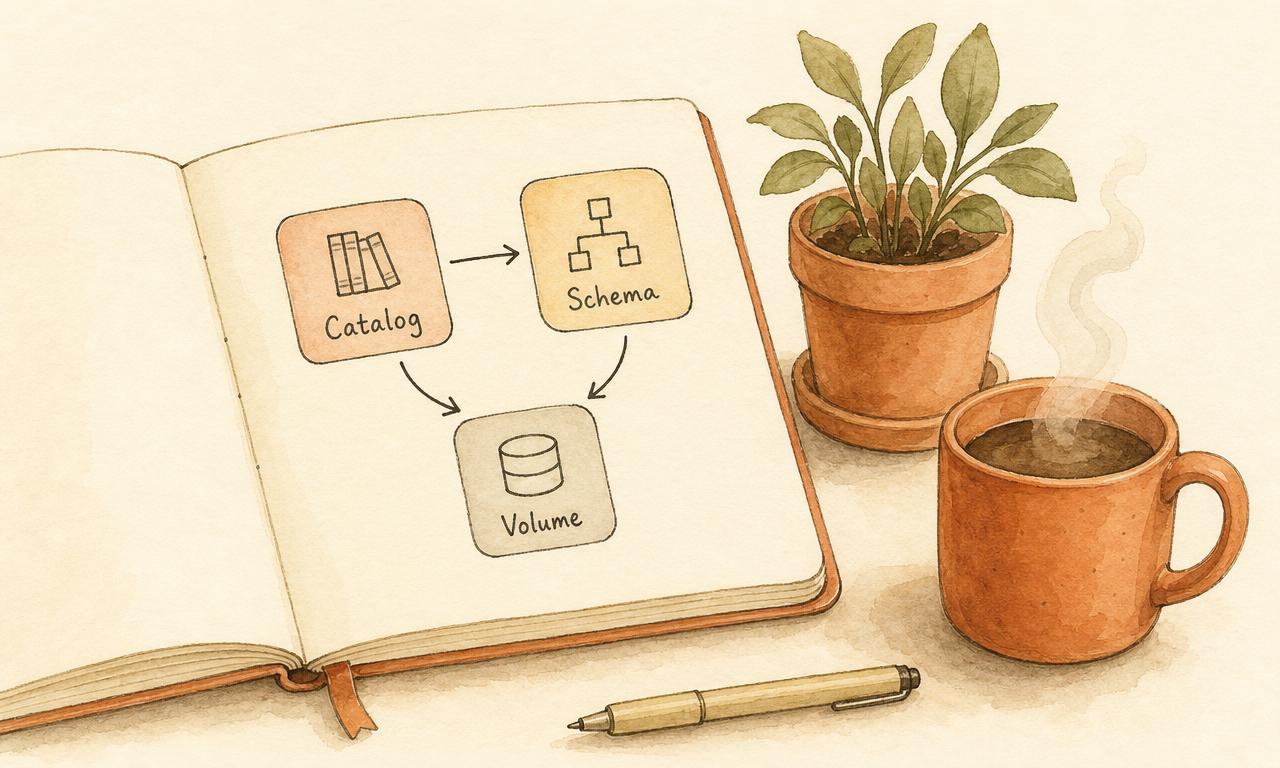
- Unity Catalog with catalogs, schemas, and Volumes.
- Delta Lake tables with time travel and schema evolution.
- Small serverless compute for notebooks.
- A workspace UI that mirrors the paid product.
That is enough surface area to learn every core idea in modern data engineering. Ingest a file, clean it, land it in a Delta table, query it, evolve the schema, roll back a mistake, join two datasets, build a small medallion pipeline. All of it works.
What you do not get, and why that is fine
Free Edition has limits. They are not obstacles. They are focus.
- No external cloud storage buckets. You use Volumes instead.
- No production Jobs and Pipelines API access at scale.
- No large clusters or GPU compute.
- Workspace quotas that stop runaway usage.
If you are learning, none of this matters. You do not need a hundred-node cluster to understand a shuffle. You do not need a live production pipeline to understand incremental processing. Small compute forces you to think, which is the whole point.
The features you cannot run, you can still read about and reason about. That is what the book is for.
A seven-day learning path
Give this a week. One focused hour per day.
Day 1. Workspace tour and first notebook. Sign in, open the workspace, create a notebook. Run spark.range(10).display(). That is your hello world. Notice the catalog explorer on the left. Everything you build lives there.
Day 2. Load a CSV into a Volume. Volumes are the Free Edition storage layer. Upload a small CSV into /Volumes/workspace/default/book_data/. Read it with spark.read.csv. Print the schema. This is how real ingestion feels.
Day 3. Your first Delta table and time travel. Save that DataFrame as a Delta table. Update a row. Query the table VERSION AS OF 0 and see the old version. This one exercise teaches you why the lakehouse exists.
Day 4. Joins and aggregations on real data. Load a second CSV. Join it. Group by something meaningful. Write the result back as another Delta table. Notice how little code this takes when the data is already in the catalog.
Day 5. Unity Catalog namespaces. Create a new catalog and schema. Move a table into it. Understand the three-part name: catalog.schema.table. This is the mental model every Databricks engineer uses.
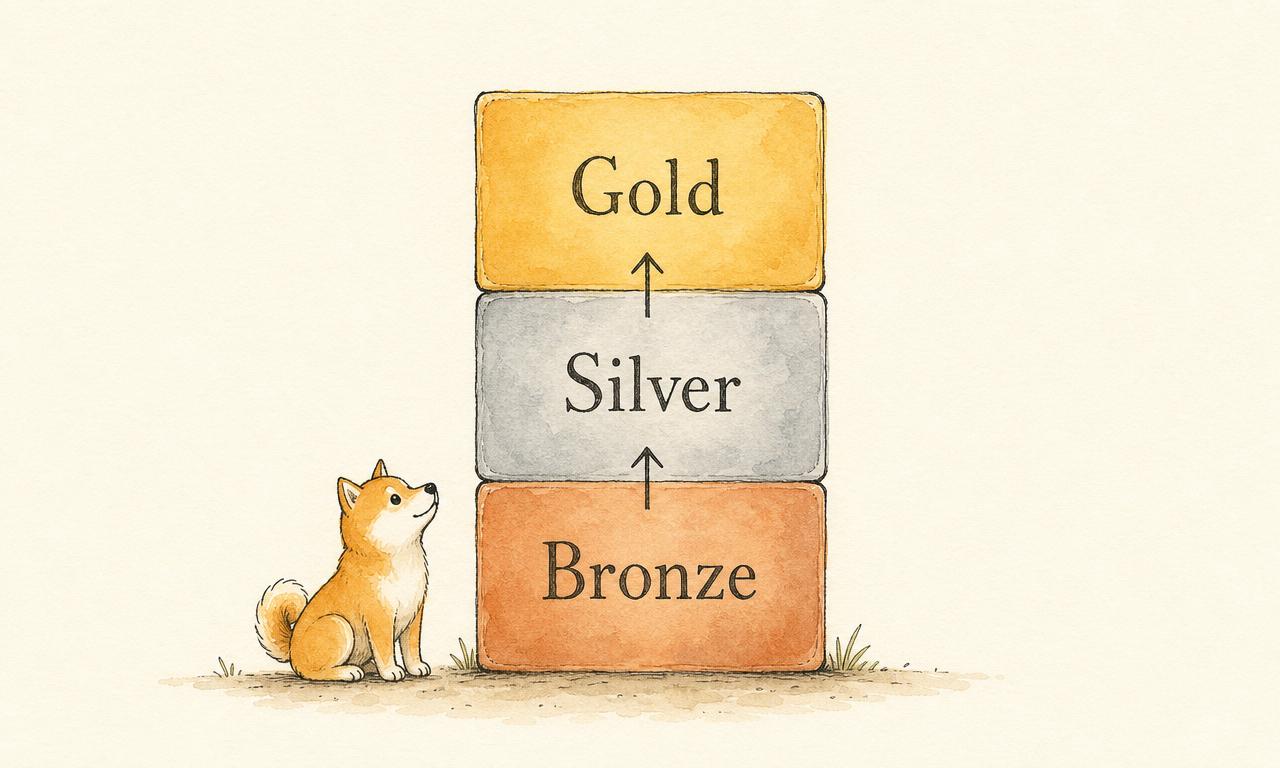
Day 6. A tiny medallion pipeline. Bronze table for raw data. Silver table for cleaned data. Gold table for the aggregation. Three notebooks, three tables, one clear flow. This is the pattern that scales to real teams.
Day 7. Review and take a practice exam. Read back through what you built. Then take the Databricks Data Engineer Associate practice exam. You will be surprised how many questions now feel obvious.
Common Free Edition mistakes
A few patterns slow people down. Skip them.
Trying enterprise features too early. You do not need Delta Live Tables on day two. Learn the fundamentals first. The advanced features make more sense once you have felt the problems they solve.
Ignoring Volumes. Some people spend hours trying to attach external storage. Volumes are the answer. They are simple, they work, and they teach the right mental model for Unity Catalog anyway.
Skipping the SQL warehouse. Notebooks are lovely. But a lot of real work happens in the SQL editor. Open it. Write a query. Save it. Understand what a warehouse is separate from a cluster.
Coding before thinking. Free Edition is small enough that you can pause. Read the docs. Sketch what a table should look like. Then write the code. That habit is worth more than any framework.
Where to go from here
If you have finished the seven days, you have a foundation most people never build.
Keep going. The Start Here lesson is the first chapter of the book, and it is free. It walks you through the same ideas at deeper level, with practice exercises after each concept.
If you got stuck on setup, the Databricks Free Edition setup guide is the calmest walkthrough we know.
If you want the full path, BricksNotes is a 29-chapter book written for exactly this workspace. Every example runs in Free Edition. Every concept is explained before the code appears. That is the whole promise.
Learning data engineering is not about tools. It is about a way of thinking. Free Edition gives you a place to practice that thinking, honestly, for as long as you need.
Start small. Stay curious. The rest follows.